

Hilo doesn’t have the glossy resort strips you’ll find on Maui or the Kohala Coast. That’s exactly the point. Hilo is the Big Island’s most authentically Hawaiian town — a place where waterfalls tumble through backyards, farmers markets overflow with tropical fruit on Saturday mornings, and the air smells like rain and plumeria year-round. If you’re wondering how to put together the best vacation packages for Hilo Hawaii, the answer isn’t a hotel-and-flight bundle from Expedia. It’s knowing what Hilo actually offers, what it’s close to, and where to sleep so you can reach it all without burning your whole trip driving.
This guide breaks down how to structure a Hilo-centered Big Island vacation — what to include, how to get there, and why the Volcano Village area makes a smarter home base than Hilo itself.
What Makes a Hilo Vacation Worth Building Around
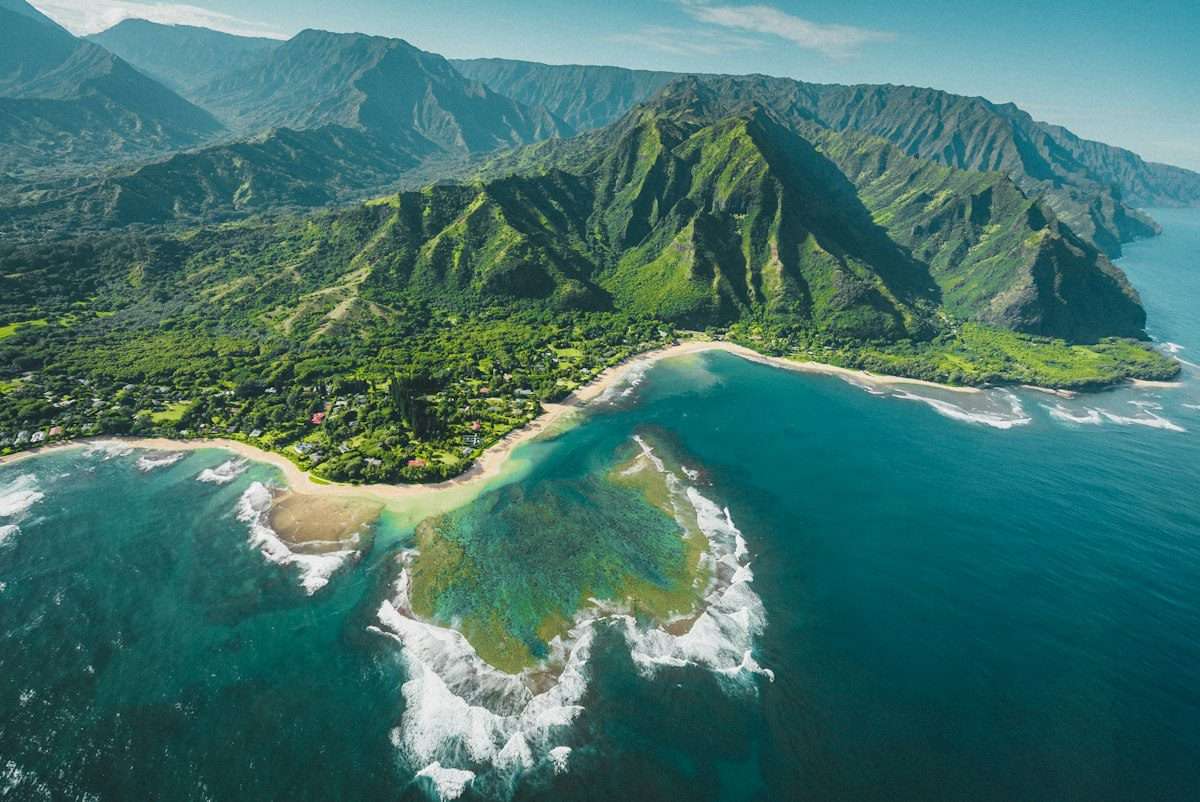
Hilo sits on the wet, windward side of the Big Island, which is why it looks like a jungle and Kona doesn’t. That moisture feeds the waterfalls, the botanical gardens, and the dense rainforest that runs up the slopes of Mauna Kea to the north. It also keeps the town quieter and more local than the resort corridor on the other side of the island.
A Hilo vacation is at its best when it’s structured around mornings in the town, afternoons out in nature, and evenings under dark skies. The town itself covers a lot of ground — the Hilo Farmers Market on Wednesdays and Saturdays, the Lyman Museum, Coconut Island park, and the compact historic downtown with its restored storefronts along Kamehameha Avenue. But the highlights people remember are outside the city limits: Rainbow Falls, Akaka Falls, the Pana’ewa Rainforest Zoo, Wailuku River State Park, and of course Hawaii Volcanoes National Park, which sits about 30 miles south of town.
How to Build Your Own Hilo Vacation Package
Because Hilo has limited all-inclusive resort options, most visitors piece together their own trip rather than booking a pre-bundled package. Here’s how to approach it.
Flights Into Hilo International Airport (ITO)
Flying directly into Hilo (ITO) instead of Kona (KOA) saves you two hours of driving at the start and end of your trip. Most direct mainland flights to the Big Island land in Kona, but Hawaiian Airlines and Southwest offer routes into Hilo from the mainland, often via Honolulu. Interisland connections are easy if you’re coming from another Hawaiian island — the flight from Honolulu to Hilo takes under an hour.
If the best flight deal routes you into Kona, build in a full day on the Kohala Coast or in Kailua-Kona before making the drive east. The drive from Kona to Hilo on the Saddle Road (Highway 200) takes about an hour and a half and crosses some dramatic lava fields and upcountry terrain — it’s worth doing in daylight.
How Many Days to Spend Near Hilo
Three to four days is the sweet spot for a Hilo-focused itinerary. That gives you enough time to explore the town, do the waterfall loop, spend a full day at Hawaii Volcanoes National Park, and get out to Akaka Falls or the Hamakua Coast without feeling rushed. If you’re combining Hilo with Kona or the Kohala Coast, allocate the first part of the trip to one side, then drive across the island to the other.
What to Include in Your Itinerary
A strong Hilo vacation package should cover at least the following stops:
- Rainbow Falls State Park — Free, ten minutes from downtown, best visited early morning before tour buses arrive
- Akaka Falls State Park — A 0.4-mile loop trail through bamboo forest to a 442-foot waterfall; $5 per vehicle
- Hilo Farmers Market — Wednesday and Saturday mornings on Mamo Street; best place on the island for local produce, flowers, and prepared food
- Hawaii Volcanoes National Park — Active lava activity, the Kilauea Iki Crater Rim Trail, and Thurston Lava Tube; $35 per vehicle, good for 7 days
- Puna District — Lava Tree State Monument, the natural warm tide pools at Ahalanui (when open), and the black sand at Isaac Hale Beach Park
- Hamakua Coast scenic drive — North of Hilo on Highway 19, passing through sugar plantation towns, umauma waterfalls, and the Waipio Valley overlook
- Mauna Kea stargazing — The Visitor Information Station at 9,200 feet is free and open to the public most evenings for stargazing programs
Where to Stay: Hilo vs. Volcano Village
Most visitors default to staying in Hilo, but Volcano Village — 30 miles southwest — is worth serious consideration as your base, especially if Hawaii Volcanoes National Park is on your list.
Hilo has a handful of hotels along the bay — the Grand Naniloa Hotel is the most well-known — plus vacation rentals scattered through town and surrounding neighborhoods. It’s convenient for the farmers market, restaurant row on Keawe Street, and early morning Rainbow Falls visits. But traffic near downtown can be slow in peak season, parking is limited, and accommodation prices have climbed as tourism to the east side has grown.

Volcano Village offers something different. It’s a small, forested community at 3,700 feet elevation, two miles from the national park entrance, and about 45 minutes from Hilo on the highway. The elevation keeps temperatures cooler and nights genuinely dark — the star visibility from Volcano is exceptional on clear nights, even without driving up Mauna Kea. The town itself has a couple of good restaurants, a local general store, and enough community character to feel like you’re actually on the island rather than in a resort corridor.
If your itinerary includes both national park time and Hilo day trips, Volcano Village splits the difference in a way that works better than either end of the highway. Aloha Hale is a full vacation rental home in Volcano Village — a 3-bedroom, 2-bath property with a full kitchen and wraparound deck, within walking distance of the Volcano Art Center and Volcano Winery. It’s a practical home base for the kind of Big Island trip that covers real ground rather than sitting poolside at a resort.
Budget Breakdown: What a Hilo Vacation Actually Costs
Planning ahead helps because Hilo isn’t a cheap destination, even without a resort price tag attached. Here’s a realistic cost breakdown for a 5-day Big Island trip centered on the Hilo side:
- Flights — Roundtrip from the mainland to Hilo or Kona typically runs $400–$700 per person, depending on origin city and how far in advance you book
- Rental car — $60–$90/day is average on the Big Island; book early through the major agencies at Hilo airport (ITO). A standard sedan handles everything except the summit road to Mauna Kea
- Accommodation — Hilo hotel rooms run $150–$250/night. Vacation rentals in Volcano Village average $200–$300/night for a full home, which is more cost-effective for couples or families splitting the cost
- Food — Budget $40–$60/person/day. Hilo has excellent affordable options — Puna Kai Café, Suisan Fish Market, and the farmers market keep costs down compared to the Kona resort area
- Activities — Most of Hilo’s best attractions are free or under $20. Hawaii Volcanoes National Park ($35/vehicle) is the main paid expense; zip-lining, helicopter tours, and snorkel excursions add up quickly if you book several
A realistic 5-day trip for two people — including flights, rental car, vacation rental accommodation, food, and park fees — typically runs $3,000–$4,500 total. That’s well below what a comparable week at a Kohala Coast resort would cost.
Best Time to Visit Hilo
Hilo gets rain year-round — it averages about 130 inches annually, which is what keeps it green. The drier months are June through September, when morning showers are common but afternoons are often clear. Even in the rainier winter months, Hilo rarely stays cloudy all day; the weather cycles fast on the windward side. Bring a lightweight rain jacket regardless of when you go.
Summer and the winter holiday period are peak season for the Big Island. If you’re visiting in spring or fall, you’ll find thinner crowds, easier availability for vacation rentals, and in many cases lower prices on flights.
Planning Your Hilo Vacation Package
Hilo rewards visitors who do a little planning and lean into what it actually is: a working Hawaiian town surrounded by waterfalls, rainforest, and some of the most geologically active land on Earth. The best vacation packages for Hilo Hawaii aren’t the ones sold by OTAs — they’re the ones you build yourself around a good base, a rental car, and a few days of unhurried exploration.
If you’re looking for a home base that puts you close to both Hilo and Hawaii Volcanoes National Park, Aloha Hale in Volcano Village is worth a look. Check availability and reach out if you have questions about the property or the area — we’re happy to help you plan.