
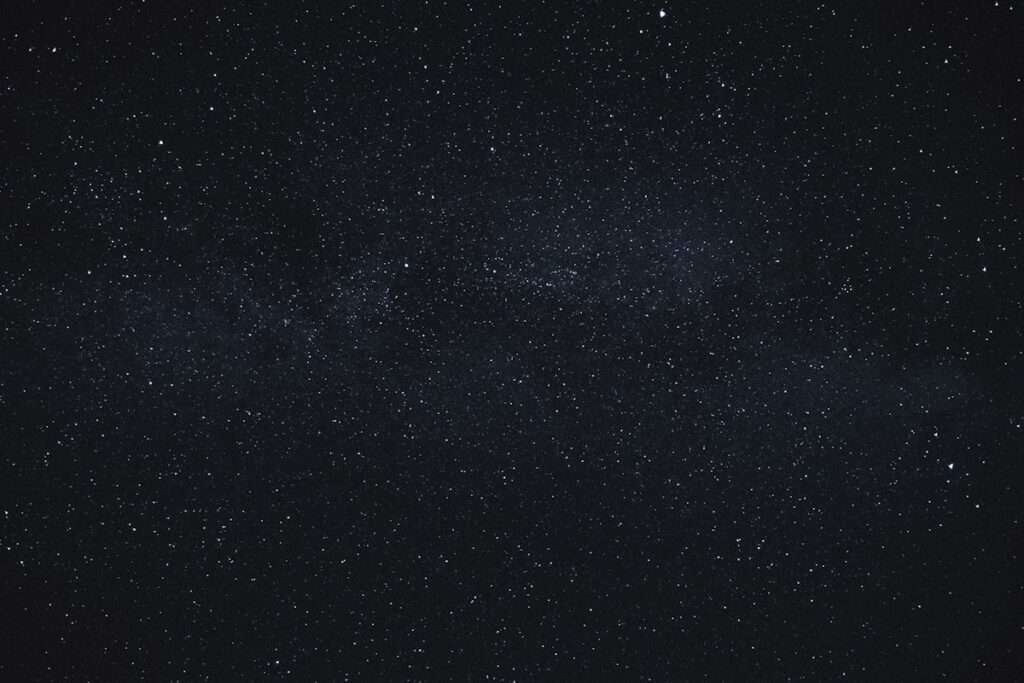
Mauna Kea is the best place on Earth to stargaze. That is not marketing language — it is the reason why thirteen countries have built observatories on its summit. At 13,796 feet above sea level, above 40 percent of the atmosphere and nearly all of its water vapor, the skies above Mauna Kea are dark, dry, and steady in ways that virtually nowhere else on the planet can match.
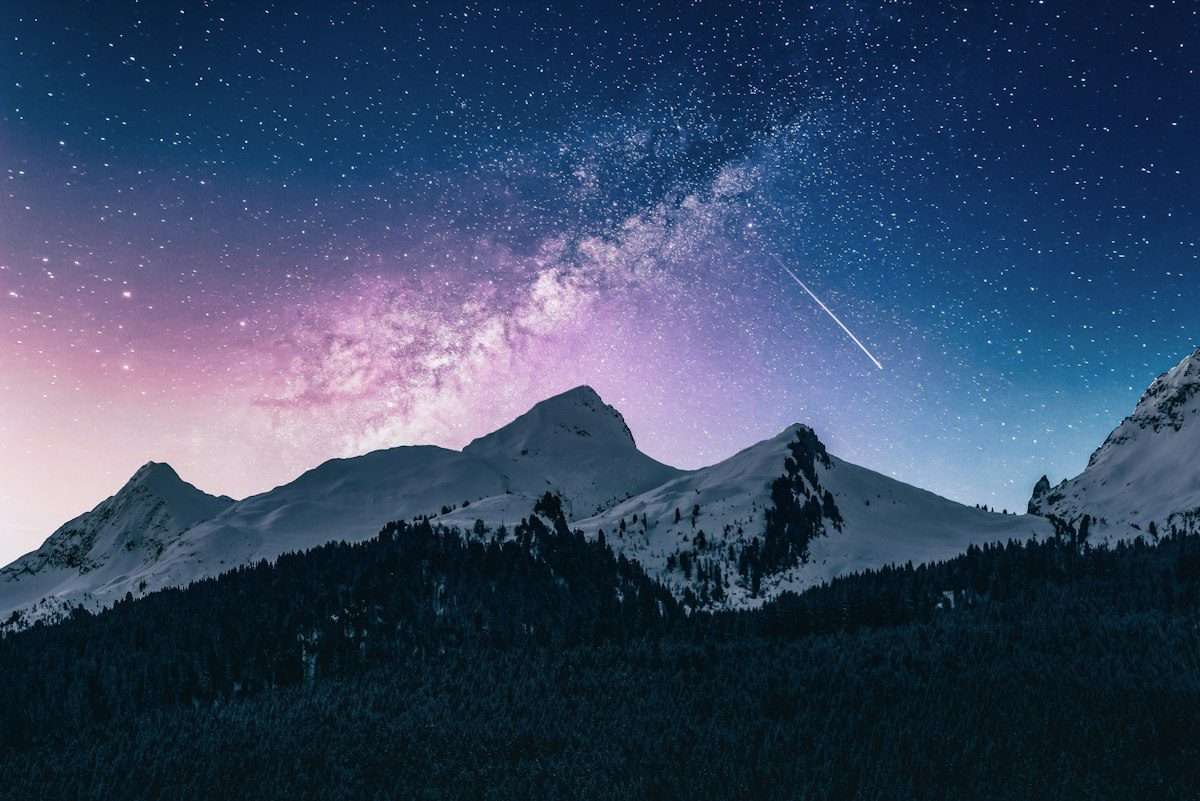
For visitors to the Big Island, that means you can walk up to a ridge at 9,200 feet on any clear evening and see more of the night sky than you have likely ever seen before. No telescope needed. The Milky Way is bright enough to cast a faint shadow. The Southern Cross is visible. Satellites are easy to pick out. It is one of those experiences that actually lives up to the reputation.
This guide covers everything you need to plan a Mauna Kea stargazing visit: where to go, what elevation to aim for, when to go, what to bring, and how to stay safe on a mountain that demands a little respect.
The Two Options: Visitor Information Station or Summit
Visitor Information Station (9,200 ft) — Best for Most Visitors
The Visitor Information Station, managed by the University of Hawaii, is the main stargazing destination on Mauna Kea for good reason. It sits at 9,200 feet — high enough for spectacular skies, low enough that altitude sickness is rare and no four-wheel-drive vehicle is required. It is open every day from 9 a.m. to 9 p.m., including holidays, with no entrance fee and no reservation needed for general stargazing.
On most evenings after twilight, VIS staff set up for informal stargazing presentations and walk visitors through the sky with a laser pointer. The program is not formal or ticketed — it happens when conditions allow and staff are available. The VIS has restrooms, a small gift shop, and exhibits on Hawaiian astronomy and the ecology of the mountain.
The Summit (13,796 ft) — Spectacular but Demanding
The summit area sits nearly 4,600 feet above the VIS and is in a different world entirely. The air contains about 40 percent less oxygen than at sea level. The road above the VIS is 4.5 miles of steep graded gravel — 4WD vehicles only, and most rental car agreements prohibit driving on Maunakea, so check before you go. The summit is accessible from 30 minutes before sunrise to 30 minutes after sunset. You cannot stay at the summit for nighttime stargazing.
What you can do is drive up for sunset — one of the most dramatic in Hawaii — and descend to the VIS area for the night sky. Many visitors combine both: reach the summit in time for the last hour of daylight, watch the cloud layer drop below you as the sun sets, then drive down to the VIS for two or three hours of dark-sky stargazing before heading back to town.
When to Go
Clear nights on Mauna Kea are most common in summer (June through September), when the trade winds are steady and cloud cover over the summit is minimal. Winter months bring more variability — storms can close the summit road with no notice, and snow is not unusual at elevation from November through March.
Around a new moon is the best time to go. Moonlight washes out faint stars and the Milky Way the same way city light pollution does. Check the lunar calendar before you plan your visit, and aim for the five or six nights centered on the new moon for the darkest skies. A half moon or greater will noticeably reduce the experience.
Arrive at the VIS at least 30 minutes before sunset. Parking fills during school breaks and on weekends, and arriving early gives your body time to acclimate before the temperature drops after dark.
Altitude and Safety
The VIS at 9,200 feet is high enough that some visitors feel mild headaches or lightheadedness, especially on the first day of a trip. This is normal and usually mild. The summit is a different level of commitment: at 13,796 feet, altitude sickness is a real possibility, and symptoms can include nausea, severe headache, and disorientation.
The official guidance from the Maunakea visitor program is to acclimate at the VIS for at least 30 minutes before driving higher. Children under 13 should not go above the VIS. Pregnant visitors should stay at or below the VIS. Anyone with heart or respiratory conditions should not go to the summit. Do not visit the summit within 24 hours of scuba diving.
If you feel unwell at any elevation, descend immediately. Symptoms resolve quickly once you drop altitude. The VIS can be reached at (808) 934-4550 during operating hours, and rangers can be reached via the emergency line at (808) 960-2952 for non-911 situations on the mountain.
What to Bring
- Warm layers — Even in summer, temperatures at the VIS drop into the 40s Fahrenheit after sunset. The summit can be near freezing year-round. Bring a proper jacket, not just a hoodie.
- A red-light headlamp — White light kills your night vision for 20 to 30 minutes. Red light lets your eyes stay adapted to the dark while you move around safely.
- Water — The VIS sells water but no other beverages. Stay well hydrated before and during your visit; altitude dehydrates you faster than you expect.
- Snacks — Limited snacks are sold at the VIS when available. Pack your own to be safe.
- A stargazing app — SkySafari or Stellarium are both excellent. Use them in red-light mode on your phone to preserve night vision.
- A full tank of gas — There are no gas stations near the mountain. Fill up in Hilo or Waimea before heading up.
Getting There
Mauna Kea’s access road turns off Saddle Road (Highway 200) at the Mauna Kea Access Road junction, roughly 35 miles from Hilo and about 50 miles from Kona. The drive from Hilo to the VIS takes about an hour. From Kona, plan on 90 minutes. Saddle Road is paved and two-wheel-drive friendly all the way to the VIS junction.
Above the VIS, only 4WD vehicles are permitted, and the road conditions vary by season. Before you go, call the Maunakea Weather Hotline at (808) 935-6268 for current mountain conditions, or check the Maunakea Weather Center online. The road can close with little notice due to weather, ice, or high winds.
Commercial Stargazing Tours
Several Hilo and Kona-based tour operators run Mauna Kea stargazing trips that include transport, warm gear, hot drinks, and guided constellation tours with high-powered telescopes. If you do not have a 4WD vehicle or would rather not drive the summit road yourself, a tour is a practical and comfortable option — most include the summit sunset and VIS stargazing in one evening.
Tours are bookable through most Big Island activity desks. Prices typically run $150 to $220 per person. Book a few days ahead during peak season (June through August and over holidays).
Where to Stay for a Mauna Kea Stargazing Trip
Hilo is the closest town to the mountain access road, about an hour from the VIS. It is a practical base for a stargazing visit, especially if you are also planning time in Hilo and around the east side of the Big Island.
Volcano Village is another strong option. It sits at 3,750 feet elevation on the south slope of Kilauea, about 90 minutes from the Mauna Kea VIS via Saddle Road. Staying in Volcano Village puts you close to both Mauna Kea and Hawaii Volcanoes National Park — two of the island’s most compelling natural experiences — without the longer drive from Kona or the busier hotel scene in Hilo.
Aloha Hale is a vacation rental home in Volcano Village, surrounded by native ohia rainforest at 3,750 feet. If you are building a Big Island itinerary around both the stargazing and the volcano, it is one of the most practical bases on the island. Availability and booking details are at volcanohi.com.
One Last Note on the Cultural Significance of Mauna Kea
Mauna Kea is sacred in Native Hawaiian tradition — it is the eldest of siblings, the meeting place of sky and earth in Hawaiian cosmology, and a place of deep spiritual significance. When you visit, you are on sacred ground. Walk gently, stay on established paths, do not remove rocks or soil, and treat the mountain with the same respect you would any sacred site. The University of Hawaii’s Maunakea visitor program has more on the cultural context of the mountain at hilo.hawaii.edu/maunakea.